Database Management in Healthcare
Understanding Clinical Data Management (CDM) in Healthcare
What is Clinical Data Management (CDM)?
Clinical Data Management (CDM) refers to the systematic process of collecting, managing, and ensuring the integrity of research data in compliance with regulatory standards. The primary goal is to gather comprehensive and error-free data for analysis, adhering to federal, state, and local regulations. As the demand for accelerated pharmaceutical development grows, regulatory authorities have emphasized the need for high-quality data collection to support the drug evaluation process.
Importance of Database Management in Healthcare
The evolution of Database Management in Healthcare has emerged from the increasing demands of the pharmaceutical industry and regulatory agencies. To facilitate the rapid development of pharmaceutical products, quality-assurance standards have become essential. Notably, two standards from the Clinical Data Interchange Standards Consortium (CDISC) are critical for Clinical Data and Site Management:
-
Study Data Tabulation Model Implementation Guide for Human Clinical Trials (SDTMIG):
Currently mandated by the U.S. Food and Drug Administration (FDA), this standard provides guidelines for data organization and submission.
-
Clinical Data Acquisition Standards Harmonization (CDASH):
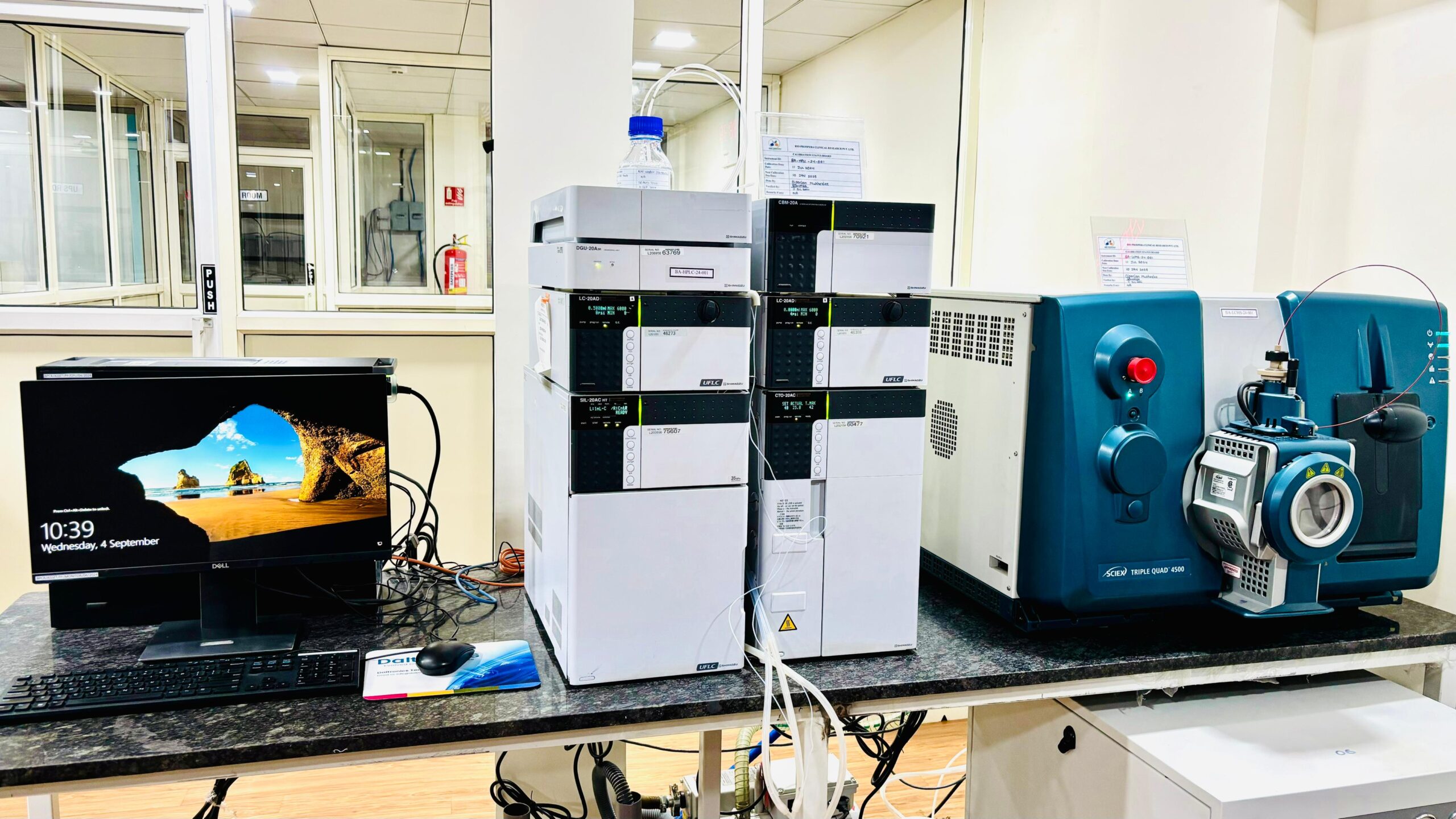
This standard establishes a uniform format for data collection across studies, enhancing the ease of tracking and reviewing data submissions. Specialized software applications like Oracle Clinical, Rave, eClinical Suite, Clintrial, and Macro are utilized in Clinical Data & Site Management to create audit trails, minimizing discrepancies even in large, complex clinical trials. Clinical Data Management Systems (CDMS) are particularly crucial in multi-center trials where vast amounts of data are generated.
Roles Involved in Clinical Data Management
The success of Clinical Data & Site Management relies on a diverse team with various roles and responsibilities:
Supervises the CDM process to ensure compliance and integrity.
Handles CRF annotation, creates study databases, enables data validation, designs data entry screens, and performs edit checks.
Codes medical variations such as adverse events and medical histories.
Designs the CRF, prepares filling instructions, and develops discrepancy protocols.
Verifies data accuracy and conducts audits.
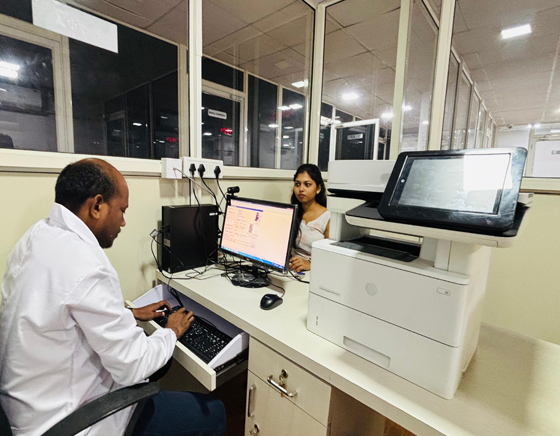
Tracks CRF page receipts and enters data into the database.
Through these collaborative efforts, CDM ensures that clinical trials are conducted efficiently, with high-quality data supporting regulatory submissions and ultimately enhancing patient safety and product efficacy.
How Does Clinical Data Management (CDM) Work?
The CDM process is initiated early in a clinical trial, even before finalizing the study protocol. Key steps include: